Cat Litter Box Emergency Odor Control Plan for Small Apartments
A small-apartment cat litter odor plan covering ventilation, box placement, cleaning cadence, safe products, vet red flags, and renter-friendly escalation steps.
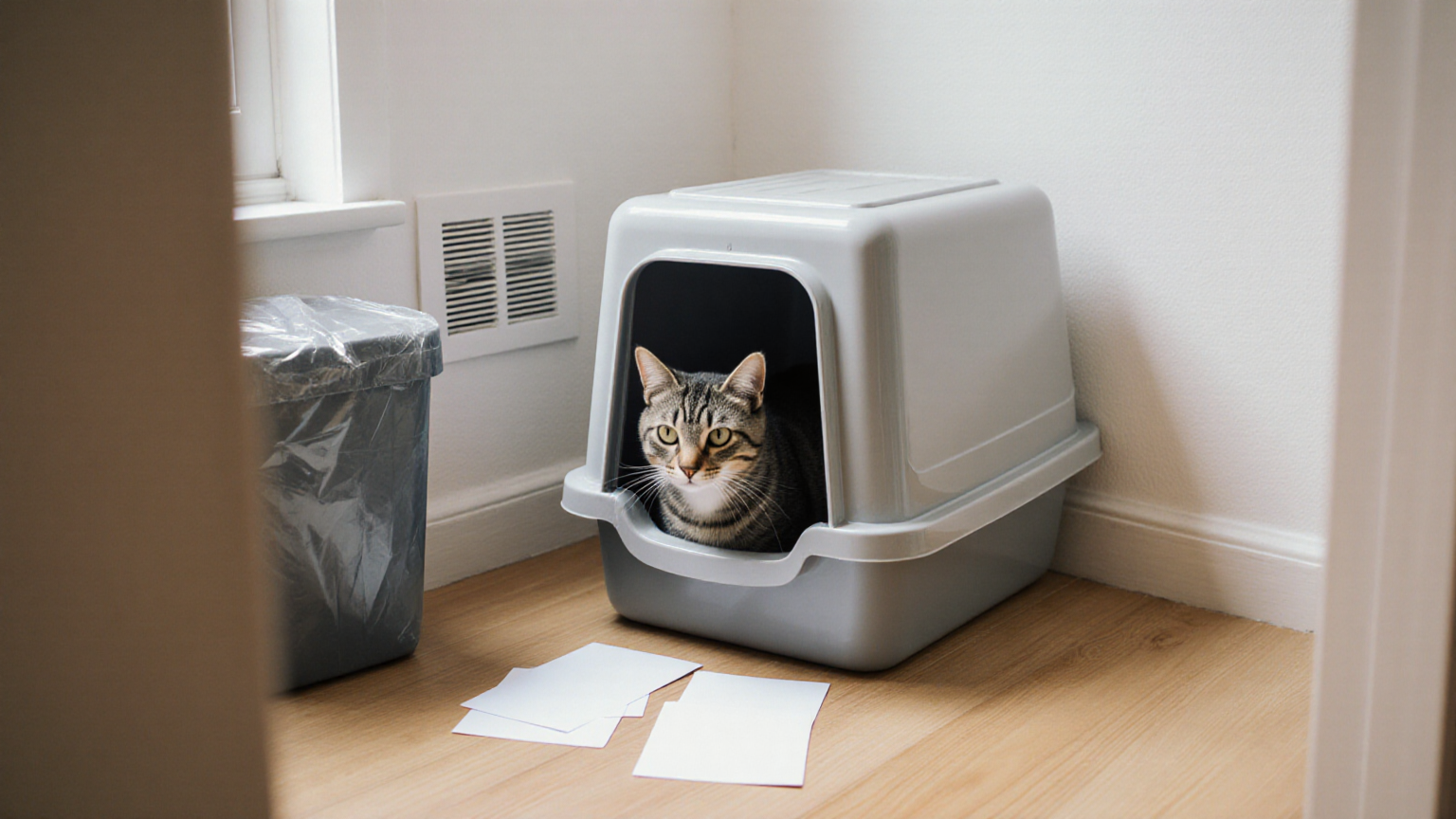
This guide is current as of 2026-06-28. It is designed to preserve helpful-content and AdSense readiness: the advice is specific, source-backed, non-promotional, and focused on decisions a reader can take today.
Why the smell is a decision signal, not a blame signal
In a small apartment, litter odor usually means one of four things: waste sat too long, the box is under-ventilated, the cat is avoiding the box, or a health change increased urine volume or stool odor. The useful response is to map the room, the cleaning cadence, and the cat behavior before buying stronger fragrances. Cats are sensitive to scent and access barriers, so the plan below keeps the fix simple: remove waste quickly, add airflow, keep products unscented, and escalate to a veterinarian if the odor arrives with urination changes, diarrhea, constipation, blood, straining, appetite changes, or hiding.
The 20-minute reset
Put the cat in a quiet room with water, scoop the box completely, bag waste, wipe the surrounding floor with a pet-safe cleaner, open a window or run an exhaust fan if available, and replace the litter only if it is wet or saturated. Do not mix bleach with ammonia-producing waste. Do not spray perfume near the box. If the box itself smells after washing and drying, treat it as worn plastic and schedule replacement rather than masking the smell.
Fast decision table
| Litter-box signal | Same-day action | Vet / landlord / product boundary |
|---|---|---|
| Odor appears only after a long workday | Scoop, bag waste outside the living area, and add a second daily scoop reminder | Do not switch to heavy fragrance; it can make some cats avoid the box |
| Odor returns minutes after cleaning | Wash and fully dry the box, check saturated plastic seams, and replace old plastic if smell remains | Ask a veterinarian if urine volume, stool consistency, appetite, or hiding changed |
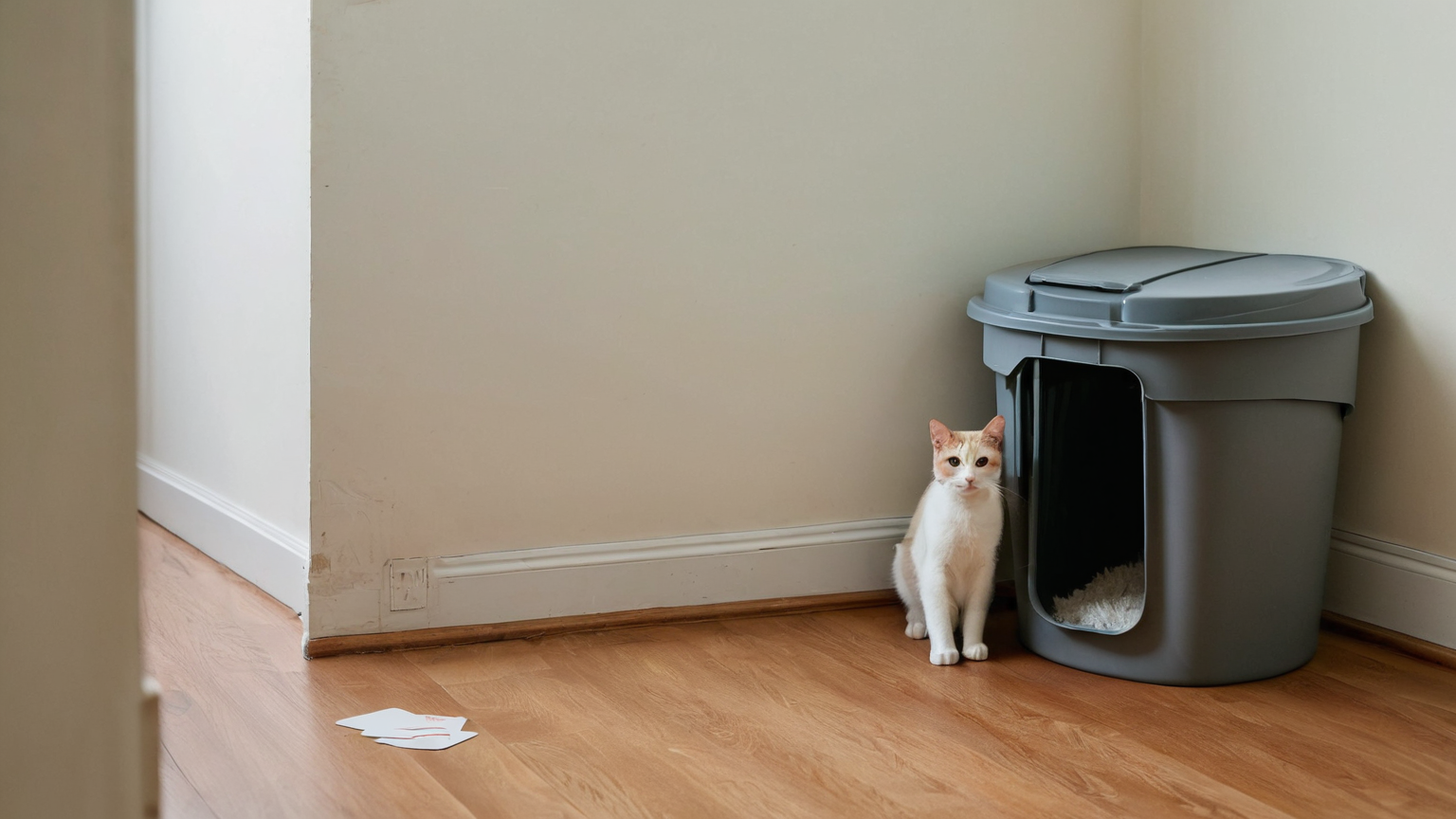
| The box is in a closet or tight bathroom | Move it to a ventilated but quiet corner and keep one open path for the cat | In rentals, use freestanding airflow and mats rather than drilling or blocking vents |
| Cat hesitates at the box | Test lower entry, cleaner litter depth, and calmer placement for 48 hours | Escalate quickly for straining, blood, repeated accidents, or pain sounds |
Step-by-step plan
- Map the apartment air path. Identify the nearest window, exhaust fan, door gap, and trash exit before adding any product.
- Set a scoop cadence. In a small apartment, one missed scoop can dominate the room; use morning and evening reminders during heat or guest weeks.
- Keep the box familiar. Change only one variable at a time: location, litter depth, box style, or cleaning product.
- Use unscented, pet-safe cleaning. Wash plastic, dry completely, and never mix chemical cleaners with urine-soiled waste.
- Protect the floor. Use a washable mat and sealed waste pail so the odor source does not migrate under baseboards.
- Watch the cat, not just the smell. Accidents, frequent trips, constipation, diarrhea, hiding, or appetite change move this from housekeeping to veterinary triage.
Reader checklist
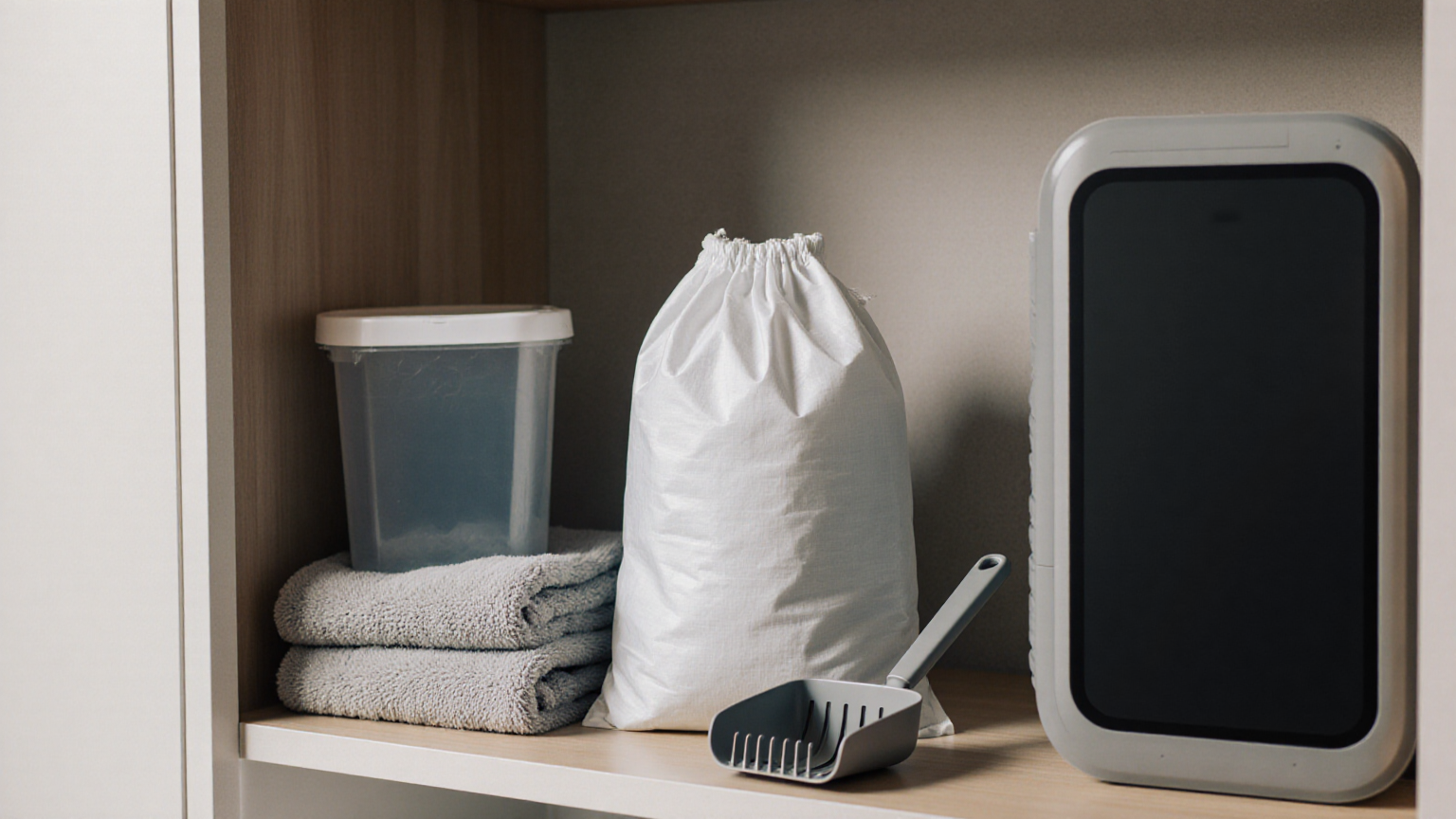
- Box is scooped at least twice daily during the odor event.
- Waste leaves the living space promptly in a sealed bag or pail.
- Litter depth, entry height, and location still match the cat’s comfort.
- Cleaning products are unscented and safe around pets.
- Ventilation improves without making the box noisy or exposed.
- A second box is considered for multi-cat or long-workday homes.
- Vet red flags are written down with dates and photos only when helpful.
- The final setup can be repeated by a pet sitter without guessing.
What to avoid
Avoid perfume sprays, essential-oil diffusers near the box, aggressive product switching, and punishment after accidents. A scented room can smell better to a human while becoming less usable for the cat. Also avoid hiding the box so well that airflow disappears or the cat must pass loud appliances. The AdSense-readiness goal for this page is practical pet care, not product density: the safest recommendation is a stable cleaning cadence, a comfortable box, and prompt veterinary escalation when odor is paired with health changes.
Source-backed notes
The sources below were selected because they are official, professional, or durable references rather than thin product pages. Some government and security pages may block script clients while remaining authoritative for normal readers; the article avoids claims that require unavailable live data. Use the source list as a starting point, then verify local rules, employer requirements, provider policies, and professional advice where your situation differs.
FAQ
Can I handle this in one evening?
Yes for the first pass. The plan is intentionally small: identify the risk, remove the obvious hazard, record the minimum evidence, and schedule the next review.
Should I buy something immediately?
Only if the checklist identifies a concrete gap that a product solves safely. Do not use shopping to postpone cleaning, documentation, privacy boundaries, or professional escalation.
How should I store the notes?
Keep them in a place the right person can find, but do not include passwords, full account numbers, medical details, or private client data unless a professional process requires it.
Why include images?
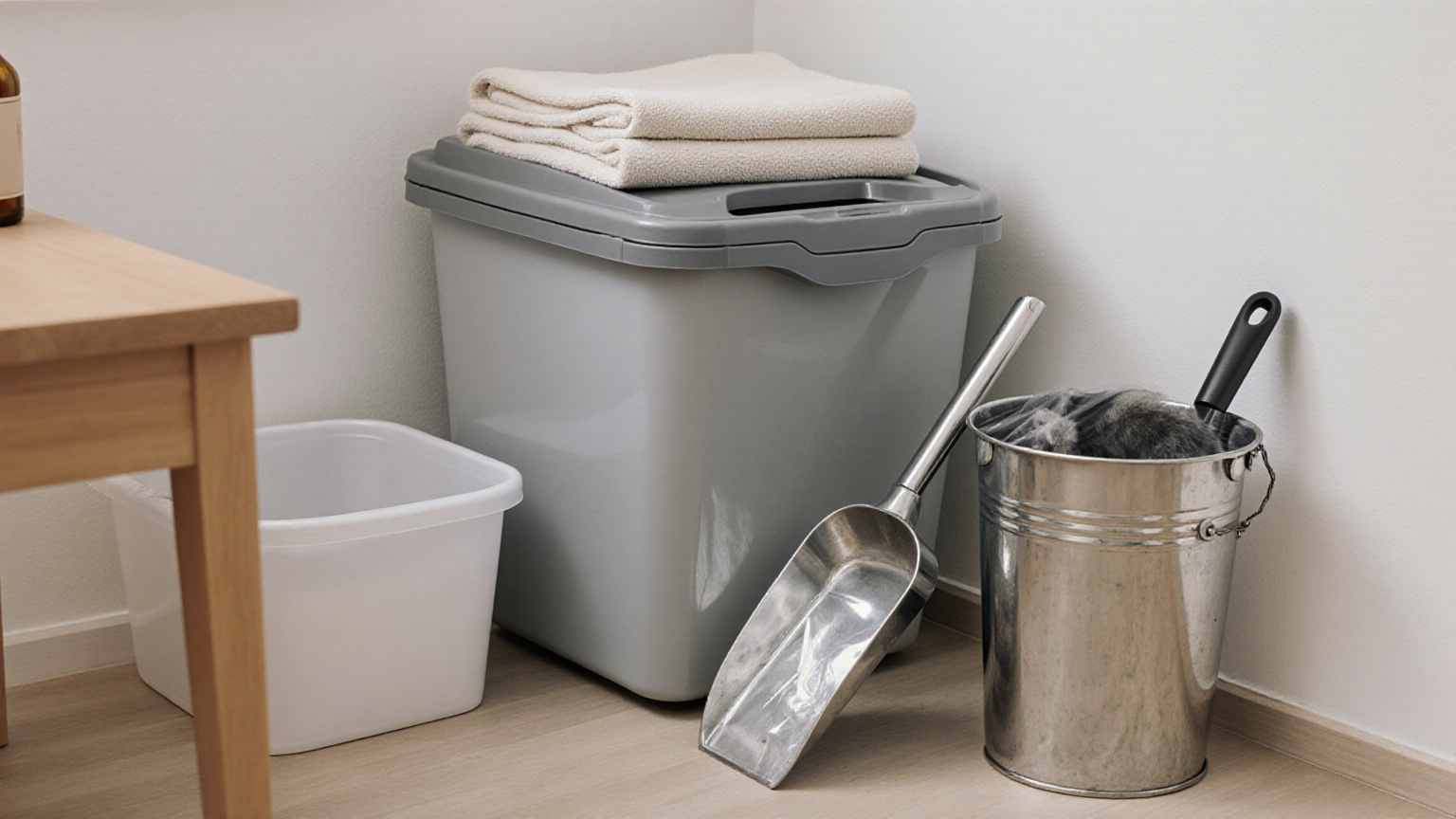
The images show practical setups and supplies without embedding fake text, UI, logos, receipts, forms, or risky details. They are visual aids, not evidence of a specific product recommendation.