Dog Tick-Borne Disease Symptom Log Vet Visit Plan
A veterinarian-aware 2026 plan for logging dog tick exposure, symptoms, photos, prevention details, and escalation questions after a tick bite.
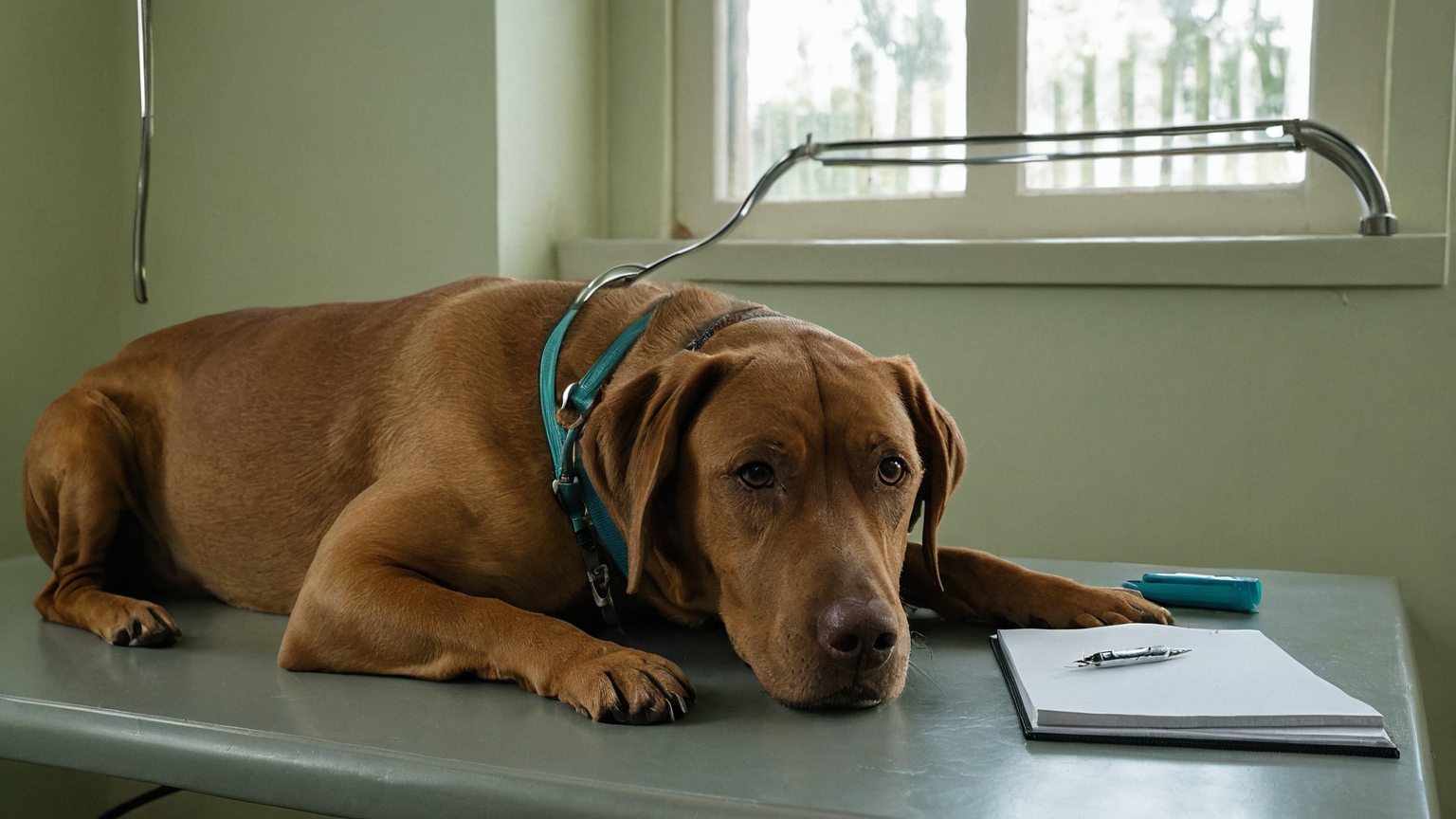
Finding a tick is not the same as diagnosing tick-borne disease. The useful household job is to preserve context: where the dog walked, how long the tick may have been attached, what prevention product was used, what changed afterward, and what the veterinarian should know without sorting through panic texts. This plan is current-source checked for June 2026 and is written for owners who need a calm record, not a replacement for veterinary care.
Fast triage table
| Signal | What to record today | Escalation |
|---|---|---|
| Tick found and dog acts normal | Date, body location, estimated attachment time, removal method, prevention product | Ask your veterinarian if the tick was engorged, removal was incomplete, or local risk is high |
| Feverish behavior or sudden fatigue | Temperature if you can measure safely, appetite, water intake, activity level | Call the clinic promptly; do not wait for a perfect log |
| Lameness, stiffness, swollen joints | Which leg, onset time, whether it shifts legs, video of gait | Same-day veterinary advice is appropriate |
| Neurologic signs or weakness | Video, timeline, tick location, any toxin exposure | Urgent care or emergency guidance |
| Bite-site swelling or discharge | Photo with date, size compared with a coin, whether it is spreading | Clinic advice, especially if worsening |
Build the one-page symptom log
Use one page or note file. Put the dog’s name, weight, age, regular medications, flea and tick prevention product, and the last date it was applied. Add the exact trail, yard, campground, or travel county if you know it. Tick exposure is geographic, so a veterinarian may interpret risk differently after a wooded trip than after a short sidewalk walk.
A good log has short entries. Write: morning appetite normal, evening limping left rear after nap, no vomiting, drank normally. Avoid paragraphs that mix guesses with facts. If you take a video, label it with the time and what you are trying to show. A ten-second clip of gait is often more useful than a long explanation.
Removal details that matter
Use fine-tipped tweezers or a tick tool, pull steadily, and avoid twisting, burning, petroleum jelly, alcohol soaking, or crushing. Save the tick in a sealed bag or container if your veterinarian wants identification. If mouthparts appear left behind, do not dig deeply into skin; record it and ask for advice.
What not to do
Do not give leftover antibiotics, anti-inflammatory drugs, essential oils, or human pain relievers. Do not assume a negative home impression means no risk. Do not blame every later symptom on the tick either. The value of the log is that it lets the clinic separate exposure, symptoms, prevention status, and unrelated illness.
Prevention audit after the event
Confirm the prevention product is still appropriate for your dog’s weight, species, health status, and local parasite pressure. Dogs that swim often, travel, or live with cats may need product-specific advice. Yard checks help, but they are not a substitute for veterinarian-recommended prevention in tick regions.
Clinic call script
Say: I removed a tick on this date from this body location. It may have been attached for this long. My dog is on this prevention product. Since then I noticed these specific changes. I can send photos or a gait video. Is this watchful waiting, a scheduled appointment, or urgent? That script helps the clinic route the case without over- or under-reacting.
Reader trust and scope note
This article keeps medical claims conservative, links to veterinary and public-health sources, and encourages professional care rather than diagnosis-by-blog. That protects readers and preserves site trust.
Seven-day observation routine
Day one is for facts, not diagnosis. Record removal time, the walk or yard exposure, and whether the tick was flat or engorged. Day two and day three are for behavior: appetite, willingness to rise, stair use, drinking, stool, and any unusual hiding. Days four through seven are for pattern recognition. A single tired evening after a long walk is different from worsening lethargy plus feverish behavior. Keep each entry short enough that a clinic team can scan it.
Photos and videos that help the clinic
Take one clear photo of the bite area in natural light and one wider photo that shows the body location. If gait changes appear, film the dog walking away from you and back toward you on a safe flat surface. Do not force exercise to reproduce lameness. A calm ten-second clip is more useful than a shaky minute of commentary.
Household prevention review
Check whether every pet in the home is protected with a product approved for that species. Dog products can be dangerous for cats, and skipped doses create household-level gaps. If you hike, camp, travel across state lines, or live near brush, ask the veterinarian whether seasonal risk has changed and whether vaccination, testing, or product timing should be reviewed.
When the log should stop and care should start
Stop watching and call promptly for fever, collapse, neurologic signs, breathing trouble, repeated vomiting, rapidly spreading swelling, severe pain, or a dog that cannot rise normally. The log is a communication tool; it is not a permission slip to delay care when the dog is clearly unwell.
Printable mini checklist
- Tick removed with steady pull, no burning or coating.
- Bite site photographed and dated.
- Prevention product and last application date written down.
- Exposure location and travel county noted.
- Appetite, energy, gait, and temperature changes tracked.
- Veterinarian contacted if symptoms, uncertainty, or high-risk exposure appears.
Detailed operating notes
Use this guide as a worksheet, not as a one-time article to skim. The highest-value step is to slow the decision down enough to separate facts, assumptions, and next actions. Facts are items you can verify: a date, an account status, a symptom, a device menu, a confirmation number, or a photo. Assumptions are stories you may believe but have not checked yet. Next actions are small enough that another person in the household or team could do them without interpretation.
A good record has three columns. The first column is the observation. The second column is the source of that observation. The third column is the next action and owner. This structure prevents a common failure mode: collecting a pile of screenshots, links, and notes that no one can act on. If the issue changes, add a new dated entry rather than editing the old one. That makes the timeline easier to explain to a professional, support team, clinic, agency, manager, or family member later.
Privacy matters even when the topic feels ordinary. Do not paste passwords, full account numbers, payment card data, Social Security numbers, private medical details, client names, or children’s personal information into a shared note. If you must share evidence, redact identifiers and use the official upload or communication channel. The article’s checklists intentionally ask for only the minimum information needed to make the next decision.
Recheck official pages when the stakes are high. Agencies, platforms, vendors, utilities, health organizations, and employers update pages, eligibility rules, menus, and support paths. A saved article can help you prepare, but the current official page and a qualified professional override a static checklist. When the official page is blocked by a script, bot filter, login wall, or regional redirect, use that as a signal to verify through a second official channel rather than guessing.
For households or teams, make the plan visible before the stressful moment. Put the checklist where the right person can find it, assign one backup contact, and decide what would trigger escalation. A plan that depends on one tired person remembering every detail at midnight is fragile. A plan with a short script, a dated log, and an agreed escalation threshold is much more resilient.
Review the outcome after the event. What information was missing? Which source was hard to find? Which payment, appointment, device, or communication step took longer than expected? Turn those answers into one small improvement: a saved phone number, a corrected account login, a fresh backup cable, a labeled folder, a better pet record, or a monthly reminder. That small repair is the difference between content that merely informs and a system that reduces risk next time.
Quality-control pass before you rely on it
Before calling the plan finished, read it once from the point of view of a person who is tired, distracted, and under time pressure. Remove any step that requires guessing. Add the exact official place to check, the safest contact path, and the point where waiting becomes risky. If two people could interpret a step differently, rewrite it as a yes-or-no check or a short script.
Visual walk-through

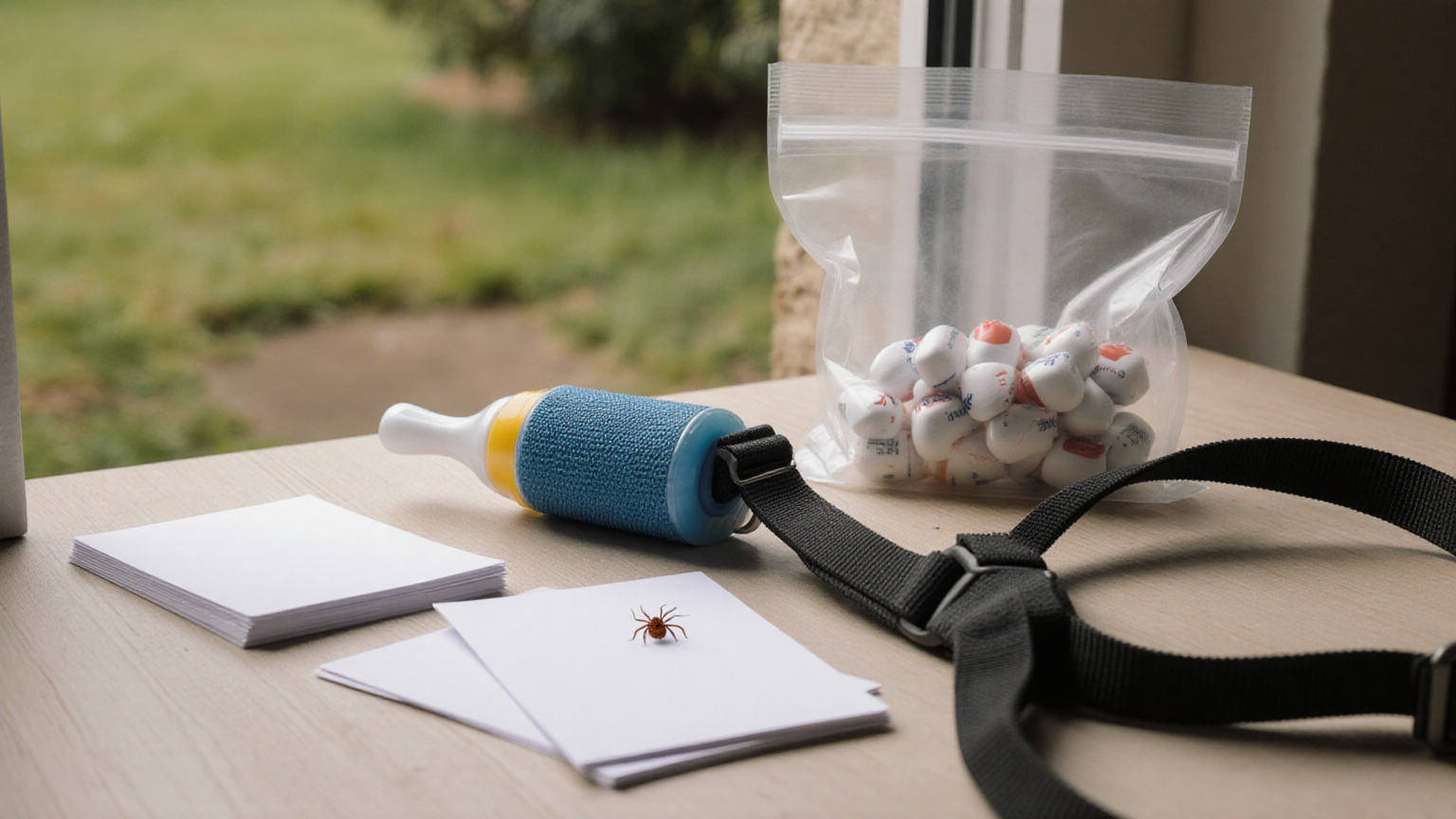
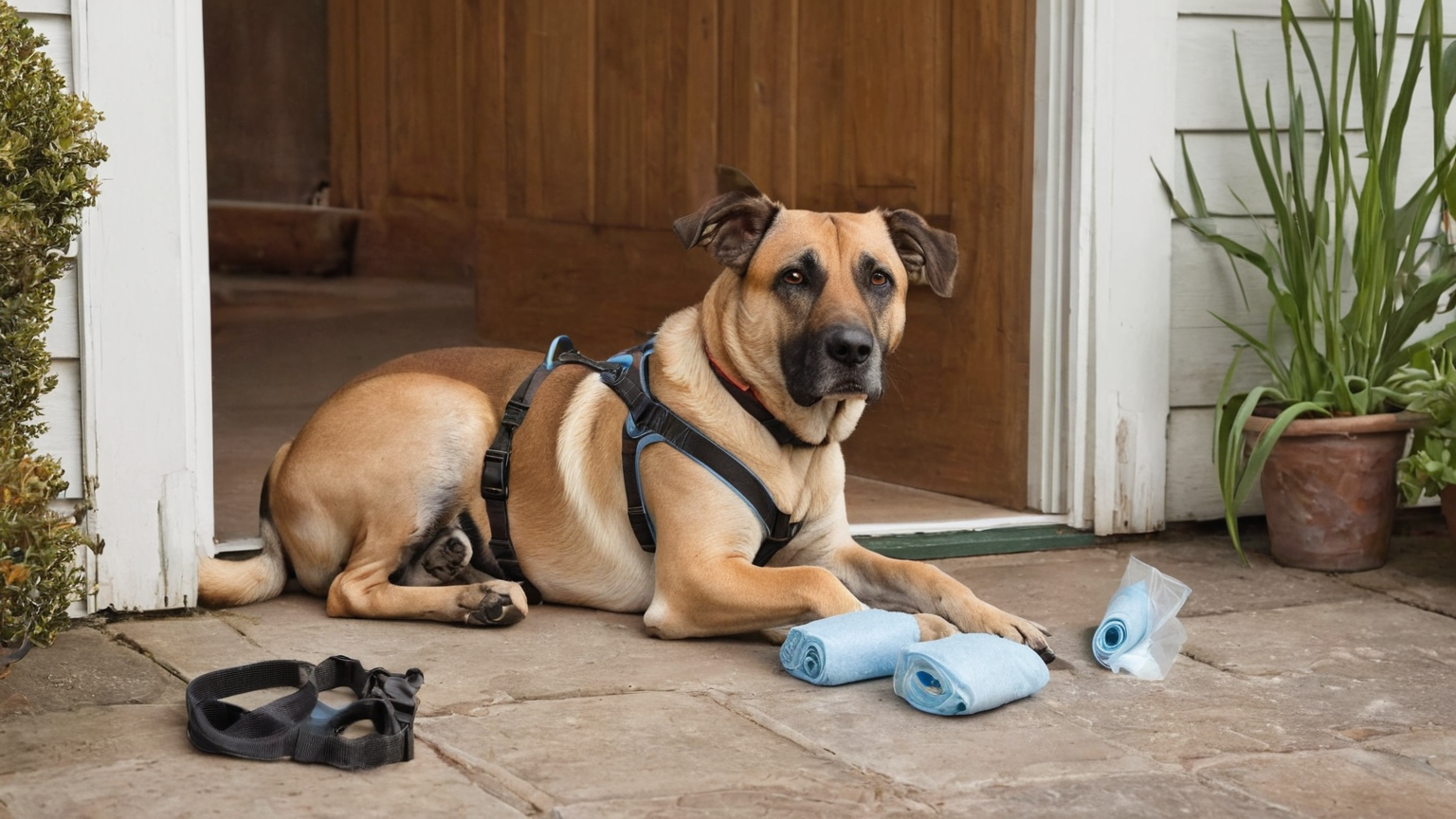
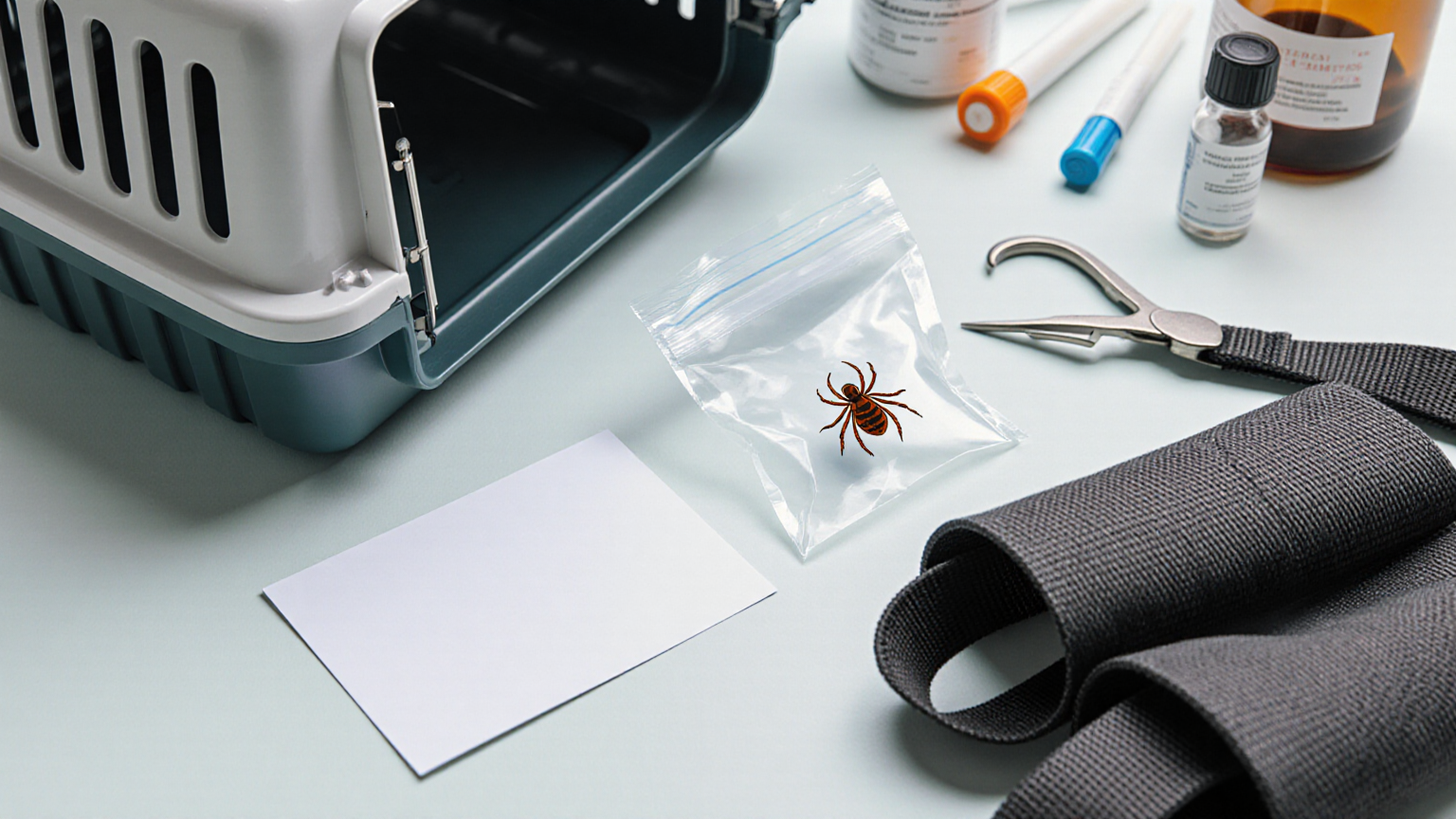
Reader checklist
- Save official-source links before you need them.
- Keep private account numbers, medical details, passwords, and payment data out of shared notes.
- Re-check the latest official guidance if a rule, platform screen, benefit, or health condition changes after June 2026.
- Escalate to the qualified professional for this topic when the situation involves safety, money loss, legal risk, medical care, or account access.