Dog Toxic Algae and Swim Water Safety Plan for Summer 2026
A veterinarian-aware household plan for avoiding harmful algal blooms, recognizing urgent dog symptoms, documenting exposure, and choosing safer summer water stops.
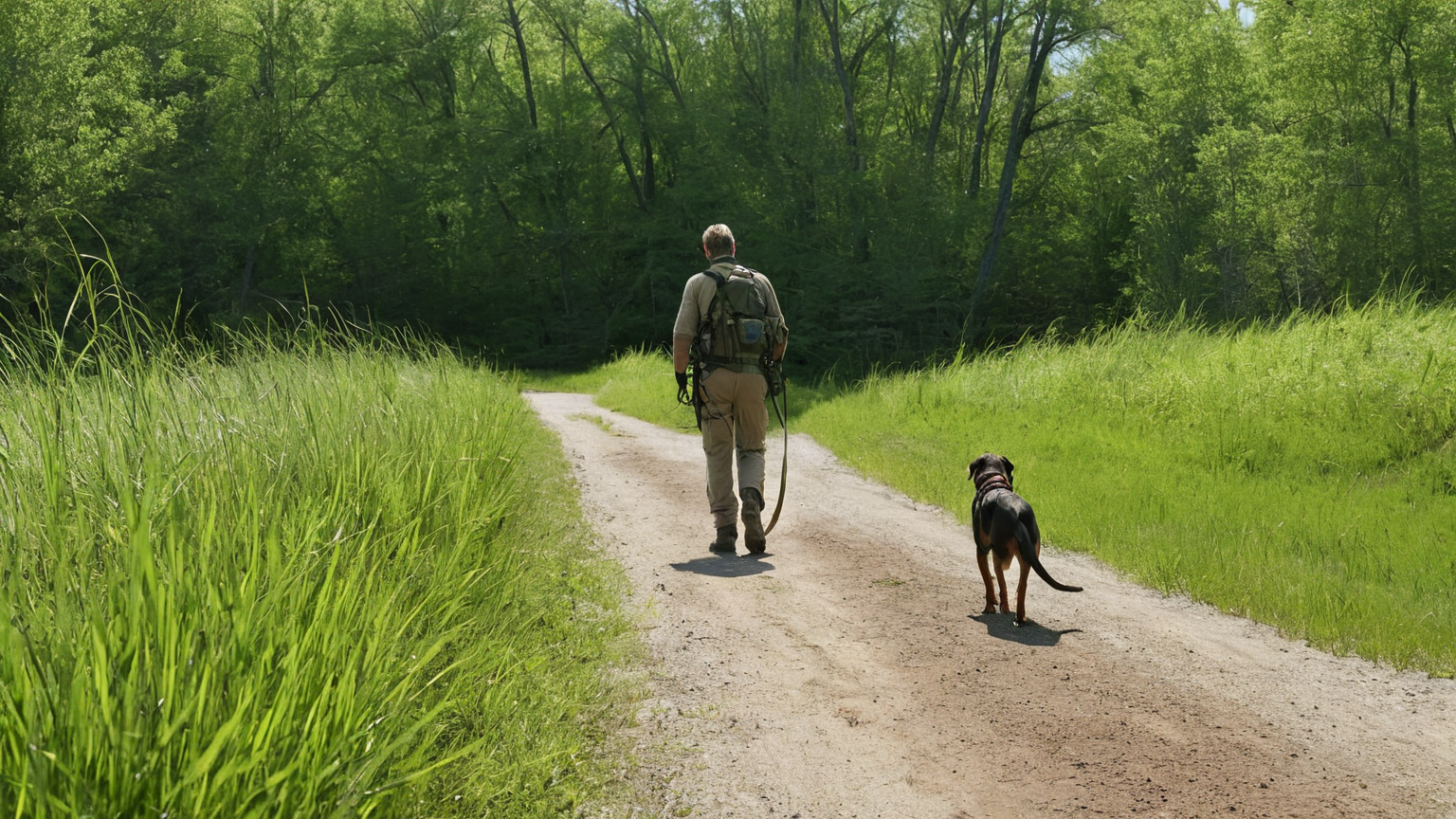
Updated 2026-06-15. This is educational pet-safety planning content, not veterinary diagnosis or treatment. A licensed veterinarian or poison-control professional should guide urgent exposure decisions. This article is written for helpful-content and AdSense readiness: current source links, practical decision support, privacy-aware records, and no affiliate filler.
Toxic-algae outing decision table
| Water clue | Default decision | Reason | Household note |
|---|---|---|---|
| Green scum or paint-like film | Leave immediately | Appearance cannot prove safety | Save alternate route |
| Dog already wet from suspect water | Prevent licking and rinse | Fur licking can extend exposure | Call vet if symptoms or ingestion |
| No advisory but water looks odd | Treat as unsafe | Advisories can lag conditions | Use clean-water plan |
| Hot dog trying to drink | Offer carried water | Thirst increases risk | Stop before the dog rushes water |
Why bloom risk needs a go/no-go rule
Harmful algal blooms can produce toxins that make pets severely ill very quickly. The useful household rule is simple: if water looks suspicious or an advisory is posted, the dog does not swim, drink, fetch, or lick wet fur from that area.
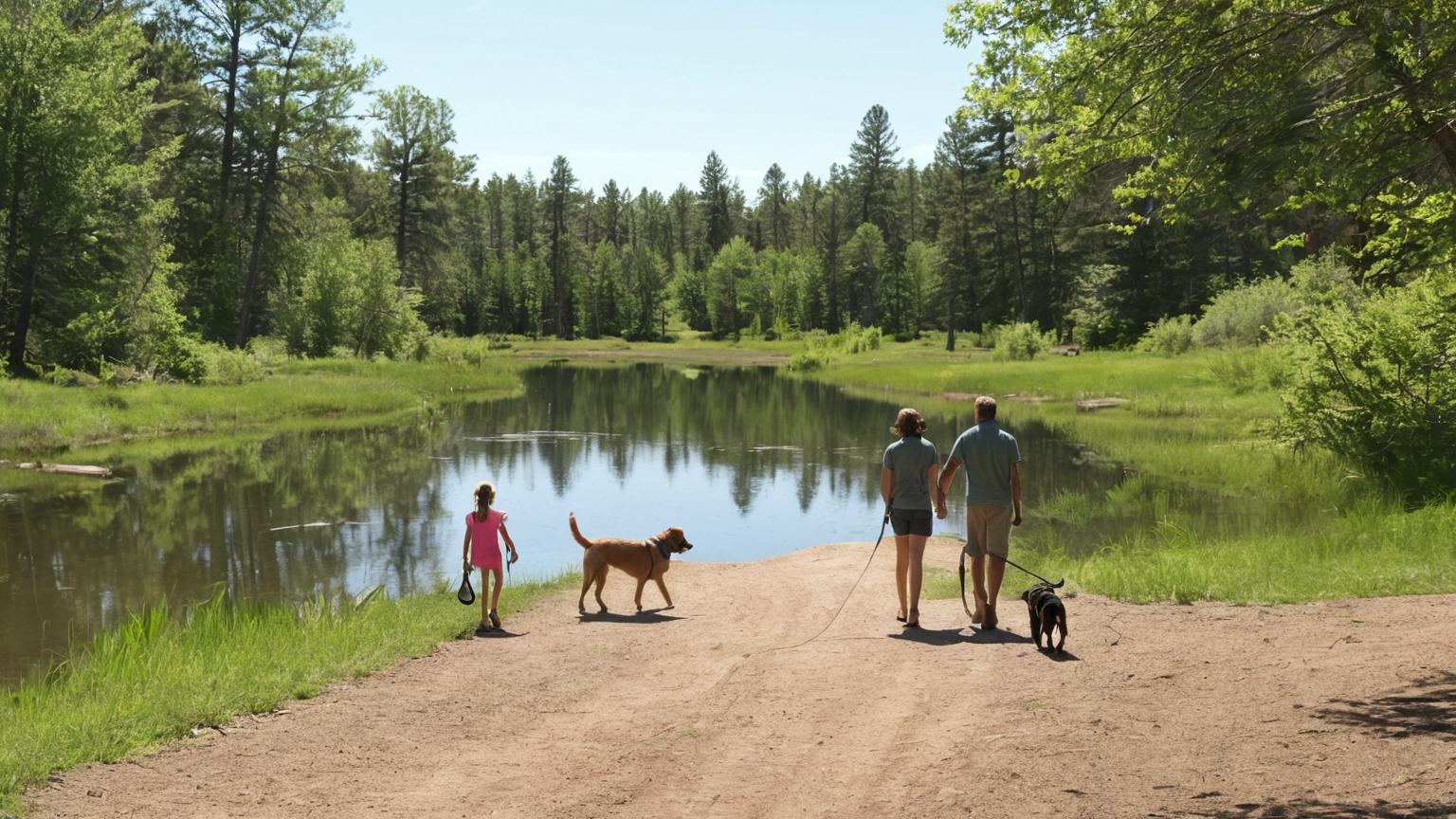
Pre-check the water before you unclip the leash
Look for surface scum, spilled-paint color, pea-soup water, floating mats, dead fish, unusual odor, or local advisory pages. The point is not to identify the organism; it is to decide early enough that the dog never enters the water.
Exposure note before calling the vet
- What changed today?
- Which source or policy should be checked before acting?
- Who owns the next step?
- What private information should stay out of shared notes?
Carry clean-water substitutions
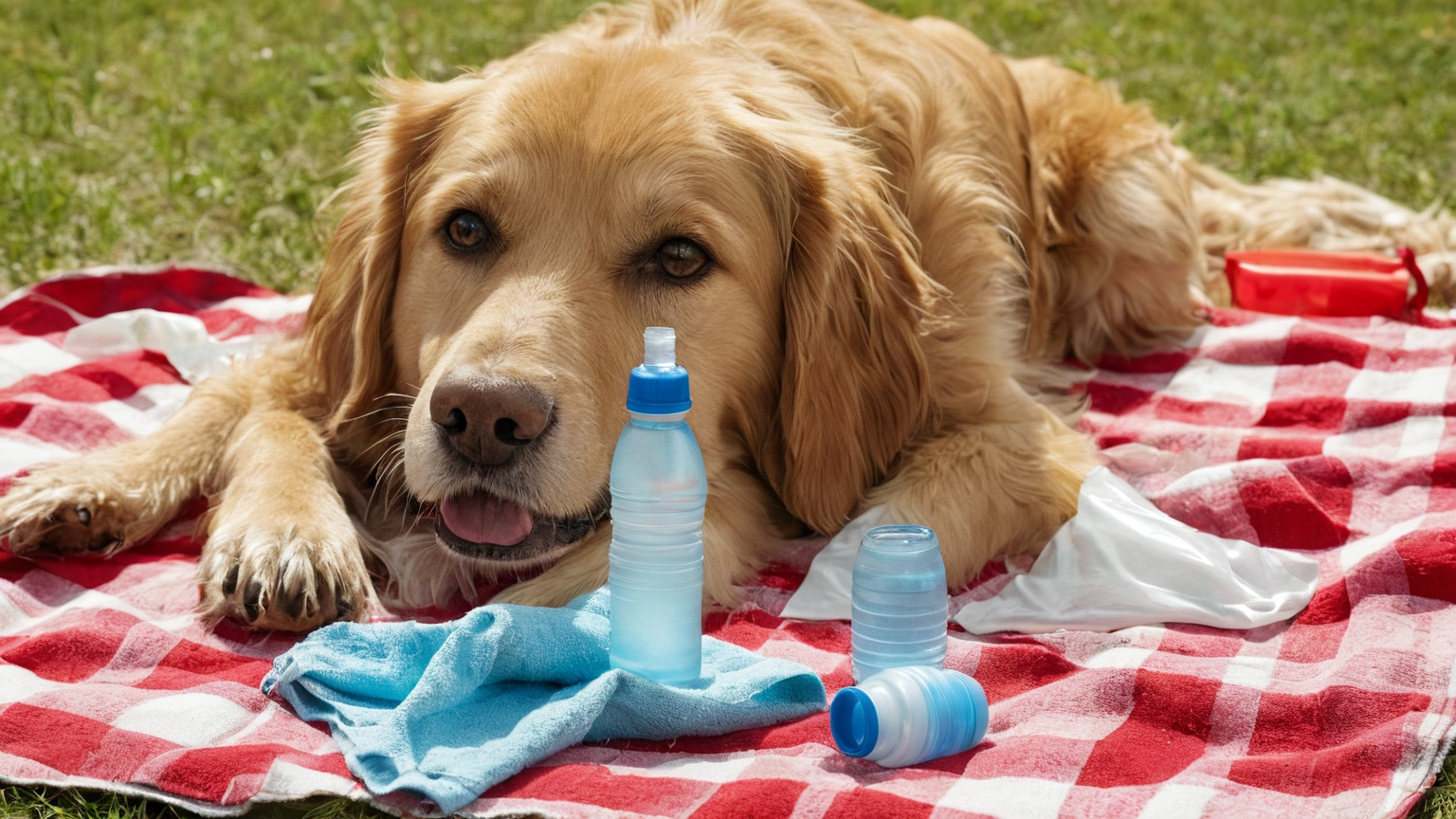
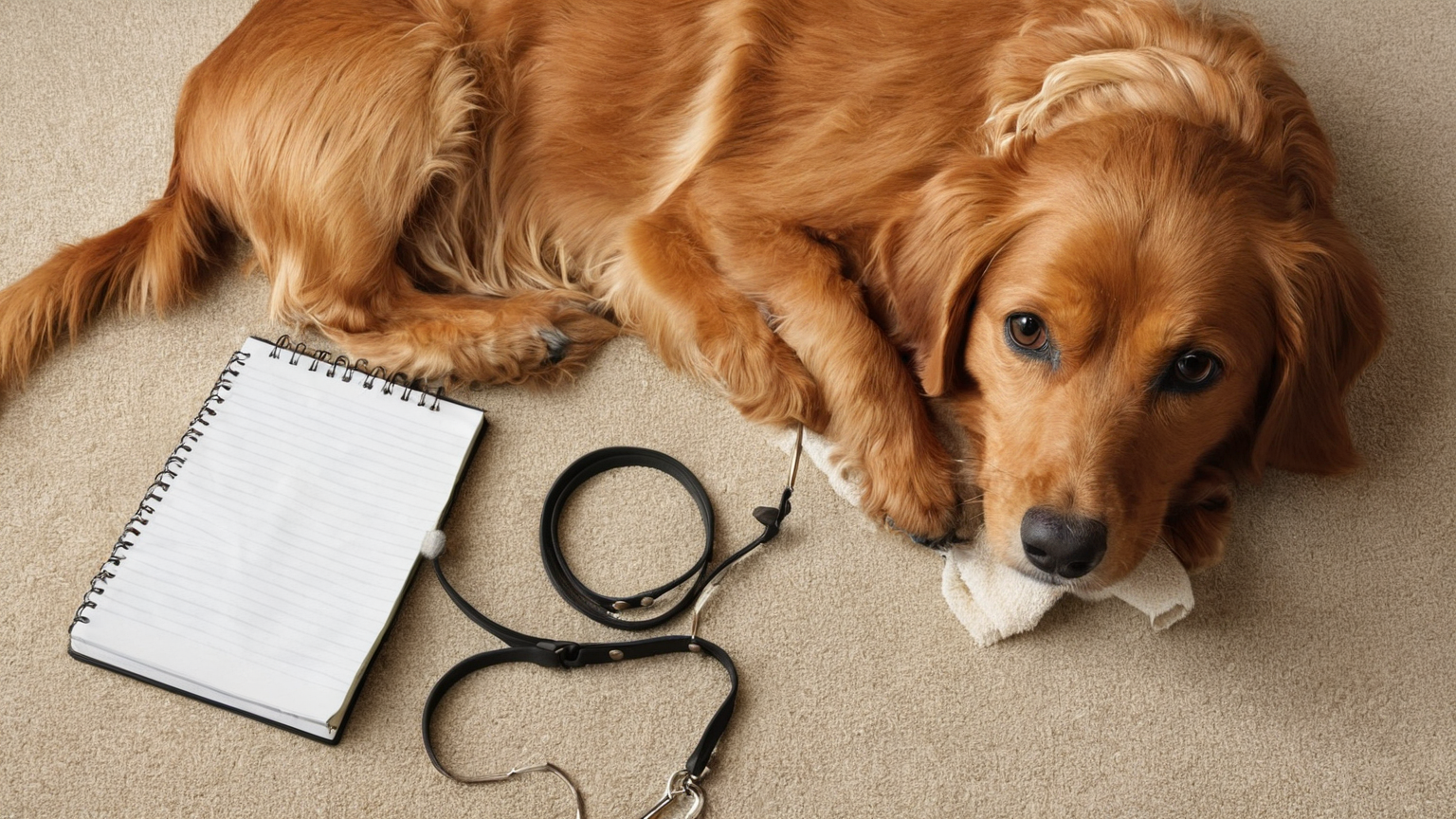
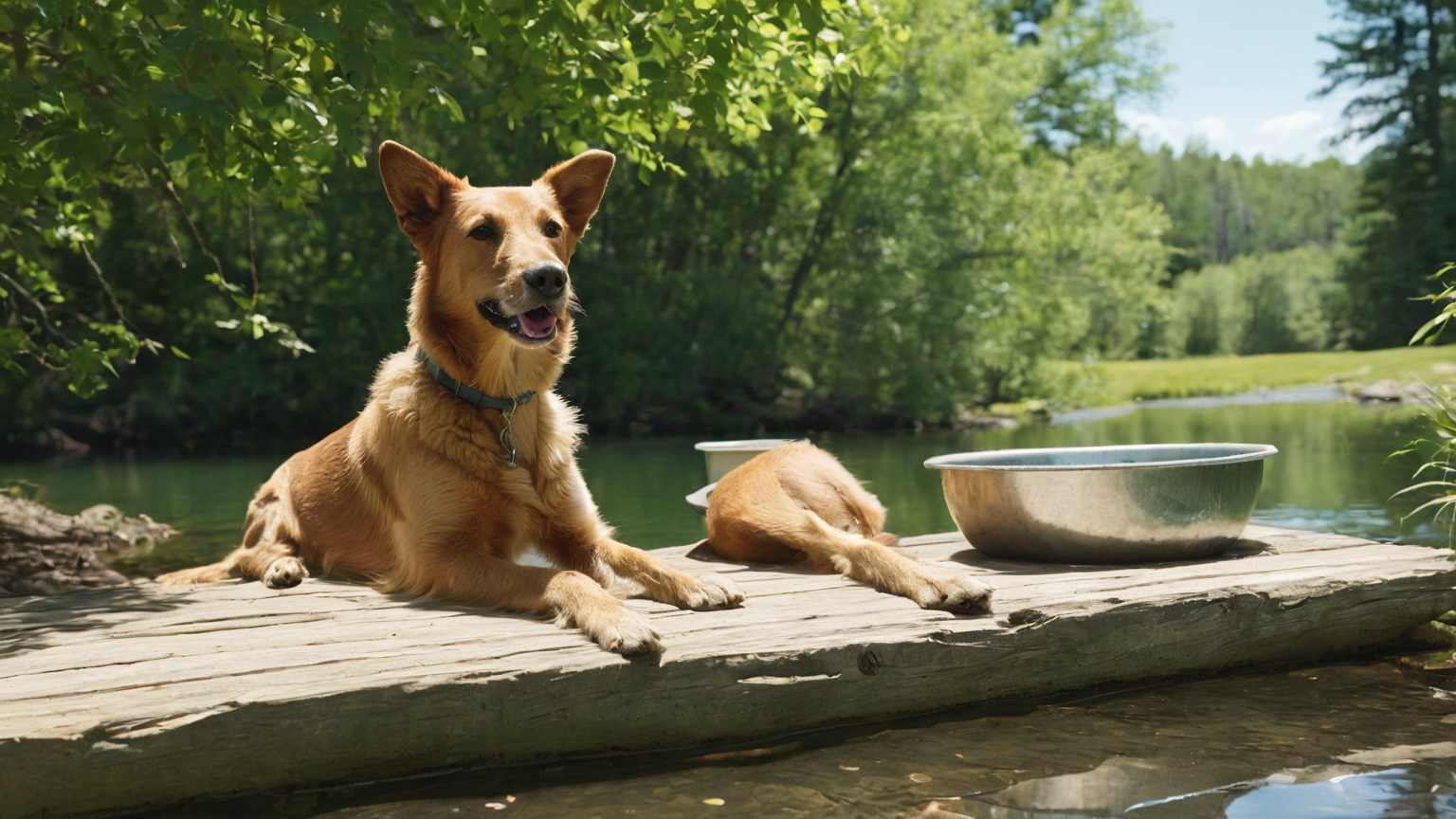
Bring drinking water, a bowl, towel, leash, and a backup shaded route. Dogs are more likely to drink from unsafe water when they are hot, excited, or waiting after exercise.
Respond fast after possible contact
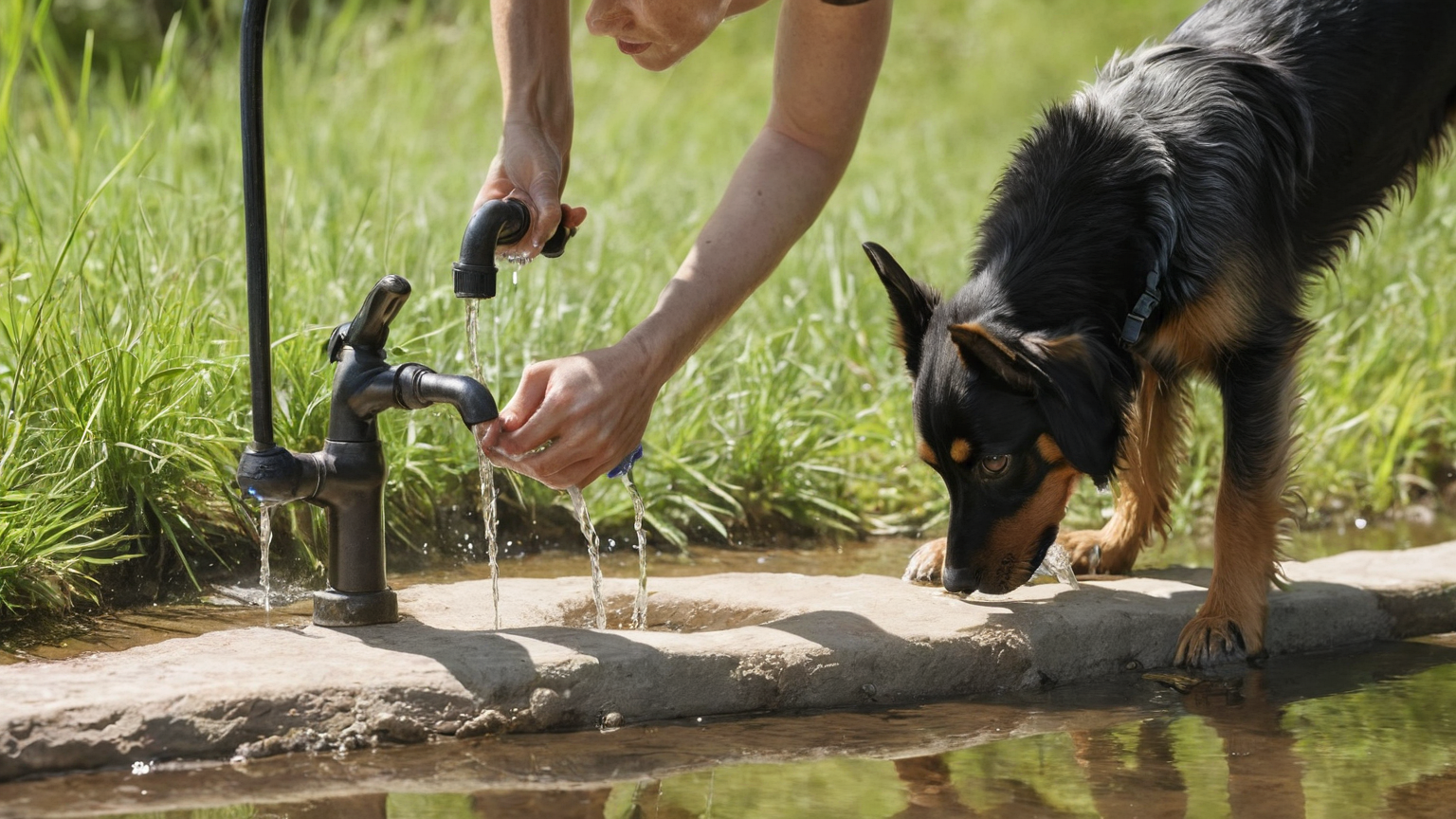
Move away from the water, prevent licking, rinse with clean water if safe, note the location and time, and call a veterinarian if the dog may have swallowed water or shows symptoms.
Mistakes that increase algae exposure risk
- Letting a dog swim first and checking advisories afterward.
- Assuming clear patches of water are safe when scum or mats are nearby.
- Waiting to call a veterinarian after vomiting, weakness, tremors, seizures, breathing trouble, or collapse.
- Sharing exposure notes without the exact location and time the veterinarian needs.
Document exposure without delaying care
Take a location note and a quick photo of the water only if doing so does not slow veterinary contact. Do not bring suspect water or algae into the car unless a public-health or veterinary professional specifically instructs you.
Review the route after each outing
Replace risky swim spots with shade walks, splash pads that allow dogs, clean home water play, or supervised short walks. The safer plan is the one your household will actually repeat.
Practical checklist
- Check official/local advisories before repeat visits.
- Keep the leash on until the water decision is made.
- Carry clean drinking water and a towel.
- Do not let dogs fetch toys from suspect water.
- Save the nearest veterinary/poison-control contact before travel.
Source note and trust boundary
The source list favors veterinary, public-health, and environmental guidance about harmful algal blooms. If your veterinarian, poison-control professional, local health department, park authority, or water-quality advisory gives stricter instructions for a specific exposure or lake, follow that source and keep a dated note with the location and symptoms.
FAQ
Can I tell whether algae is toxic by looking at it?
No. Treat suspicious scum, paint-like water, mats, strong odor, or official advisories as a stop sign and choose another site.
What is urgent after possible exposure?
Call a veterinarian or poison-control resource promptly if a dog swallowed suspect water, licked scum from fur, vomits, drools, staggers, has seizures, has trouble breathing, or seems suddenly weak.
Should I rinse the dog?
If it is safe for you, keep the dog from licking fur and rinse with clean water while arranging veterinary guidance.
AdSense-readiness note
This post preserves the site quality baseline by adding a specific user problem, original tables and checklists, clear escalation boundaries, privacy-safe wording, descriptive source titles, and internal links to related guides rather than repeating generic boilerplate.