Multi-Pet Boarding Vaccination Records and Travel Plan for 2026
A practical boarding and travel-prep plan for households with multiple pets, covering vaccination proof, medication handoff, trial stays, emergency contacts, and privacy-safe records.
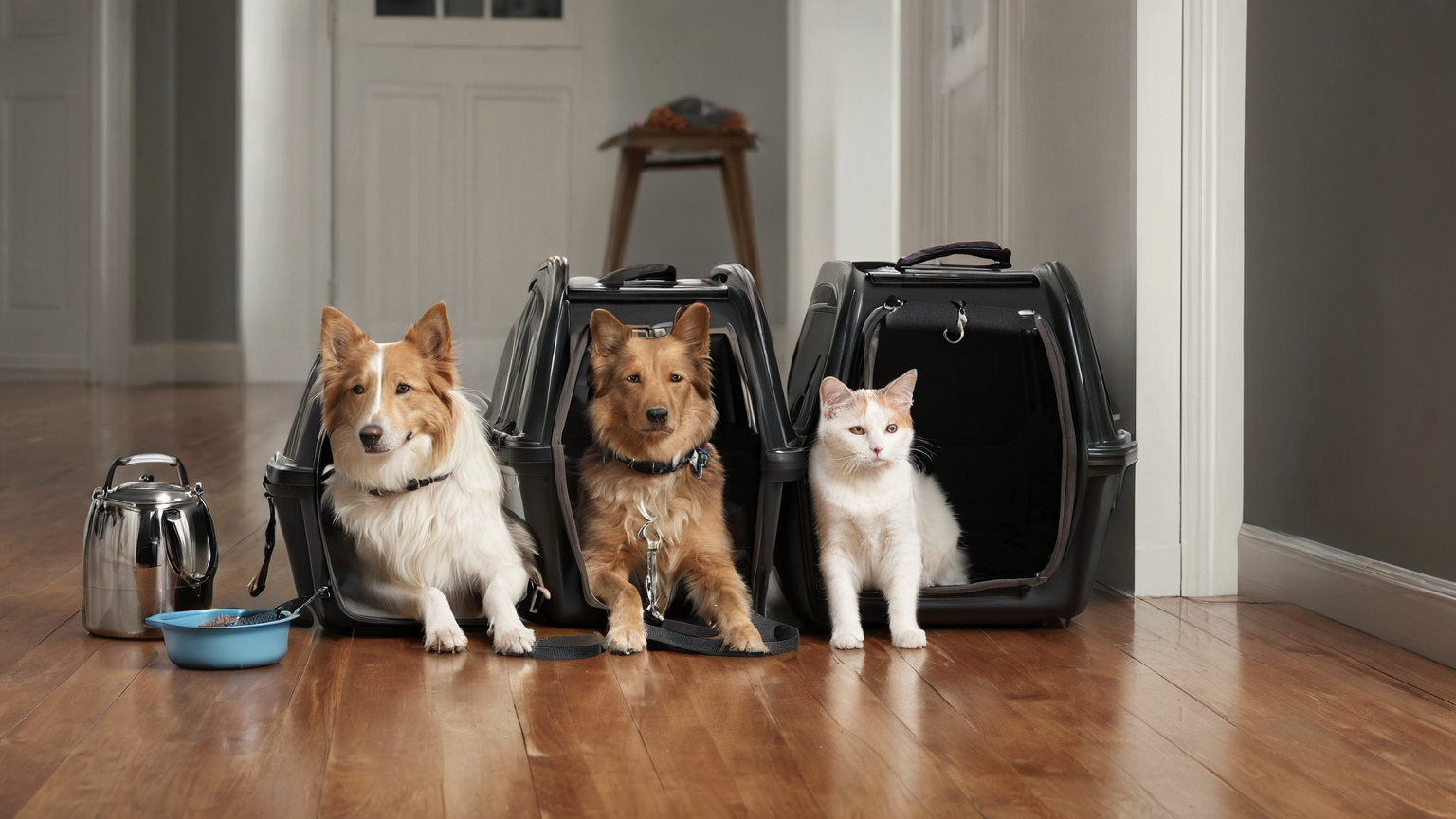
Boarding two or more pets is not just “book a kennel and pack food.” Each animal may have different vaccine dates, medication timing, stress signals, feeding rules, microchip data, and emergency instructions. A good boarding plan turns those details into a short, current, easy-to-read handoff that a facility can actually use during check-in.
As of June 2026, this guide treats boarding as a health-and-records workflow, not a shopping list. It is written for families preparing a kennel stay, a sitter handoff, a veterinary boarding stay, or a trip where pets may cross state or national requirements. Always confirm the exact facility, airline, destination, and veterinarian requirements before travel.
Boarding record triage table
| Situation | What to prepare first | Who should verify it | Why it matters |
|---|---|---|---|
| Routine boarding | Vaccine proof, feeding schedule, emergency contacts | Boarding facility and veterinarian | Prevents check-in delays and care confusion |
| Senior or medicated pet | Medication chart, dosing windows, vet escalation signs | Veterinarian plus facility manager | Reduces missed doses and vague emergency decisions |
| International travel | Destination-specific health certificate and endorsement timing | USDA APHIS guidance and accredited veterinarian | Requirements vary by country and can change |
| Mixed dog-cat household | Separate record pages and species-specific handling notes | Facility intake lead | Avoids applying one pet’s instructions to another |
| Reactive or anxious pet | Trial visit, safe handling notes, consent boundaries | Facility trainer/manager | Prevents unsafe group play or stressful housing |
1. Build one page per pet, not one packet for the household
A shared packet often fails at the worst moment because staff need the instruction for one animal quickly. Create a separate one-page sheet for each pet with name, species, age, microchip number if you choose to share it, veterinarian phone, vaccine dates, medication schedule, feeding amount, allergies, stress signals, and “call me if” triggers.
Keep private data minimal. A boarding facility usually does not need your full home address, a photo of your credit card, or every historical lab result. If a medical record is relevant, ask your veterinarian which summary is safest to share.
2. Confirm vaccine and health-document timing early
Facilities may require rabies, distemper combinations, Bordetella for dogs, feline respiratory combinations, or other local requirements. International movement is stricter: USDA APHIS notes that destination countries can require specific vaccinations, tests, treatments, and health certificate timing. Do not assume last year’s paperwork is enough.
Make three dates visible on your planning sheet: the appointment date, the certificate or vaccine date, and the facility/travel deadline. If a pet has a medical exemption or delayed vaccine plan, get the facility’s written acceptance before you pay a nonrefundable deposit.
3. Run a trial handoff before the high-stakes trip
For a dog daycare, boarding kennel, or sitter, the first visit should not be the longest visit. A short trial helps reveal separation stress, group-play mismatch, crate discomfort, food refusal, or handling issues. Ask for observable notes: appetite, elimination, rest, reactions to staff, reactions to other animals, and whether the facility changed the housing plan.

4. Pack medication like a care workflow
Medication packaging should make the right action obvious without exposing unnecessary private details. Use original veterinary directions when required, but add a separate plain-language schedule: morning, mid-day, evening, with dose, food requirement, and what to do if a dose is refused. For refrigerated medicine, insulin, seizure medicine, heart medication, or pain control, ask the facility exactly how they log doses.
Never pre-mix medications into a large food container unless your veterinarian and facility agree. If one pet refuses a meal or another pet accesses it, you may lose track of the dose.

5. Define escalation before check-in
Write a short escalation ladder:
- Call the owner for routine questions.
- Call the backup contact if owner unreachable for more than a set window.
- Call the primary veterinarian during open hours.
- Use the named emergency hospital for urgent signs.
- Approve emergency stabilization up to a written limit if the owner cannot be reached.
This is not a blank check; it is a consent boundary. Put the dollar amount, decision maker, and emergency hospital name in writing if your facility offers that option.
6. Separate comfort items from safety hazards
A familiar blanket or toy may help, but facilities may reject items that can be chewed, swallowed, tangled, or fought over. Label comfort items if labels are allowed, but do not rely on AI-generated or handwritten tiny text in photos. Keep a photo inventory on your phone for your own records.
Boarding-day checklist
- One page per pet.
- Current vaccine proof or destination document.
- Feeding amount and food transition notes.
- Medication schedule with missed-dose instructions.
- Emergency contact ladder.
- Consent boundaries and preferred emergency clinic.
- Trial-stay notes if available.
- Privacy-safe record sharing: no unnecessary financial documents.

Record review timeline
Start two to four weeks before boarding if possible. Week one is for collecting vaccine dates, medication labels, microchip lookup notes, and facility rules. Week two is for the veterinarian or clinic portal: request a concise record summary instead of downloading every historical document. Week three is for the trial visit, behavior notes, and final medication count. The final forty-eight hours are for food portions, emergency contacts, and confirming drop-off time.
If you have more than two pets, use a simple naming convention: pet name, species, date, and version. A file named Milo-cat-boarding-summary-2026-06 is easier to update than a folder of screenshots. Keep the full version on your device and give the facility the minimum useful version. This privacy boundary supports trust and reduces the chance that unrelated financial or personal data is copied into a boarding system.
Facility questions that reveal readiness
Ask how the facility separates dogs and cats, how medications are logged, what happens if a pet refuses food, how often photos or updates are sent, and which emergency hospital is used after hours. For group play, ask who decides whether a pet stays in group or moves to individual rest. For cats, ask about dog-noise separation, hiding spaces, litter monitoring, and whether appetite changes are recorded.
A trustworthy facility should be able to answer without pressuring you to buy unnecessary add-ons. Extra playtime, grooming, or camera access may be useful, but they should not replace core safety processes: current records, trained staff, clean housing, emergency escalation, and honest behavior notes.
After the stay
When pets return home, check appetite, stool, urination, coughing, sneezing, limping, stress behavior, and medication count. Mild tiredness can happen after a busy stay, but vomiting, collapse, repeated diarrhea, breathing changes, or signs of pain deserve veterinary advice. Save the facility report with your pet records so the next stay starts with better information.
Example: two pets, one weekend trip
Imagine a household with an older cat, a young dog, and a three-night family trip. The dog needs proof of rabies and respiratory vaccine status for group play; the cat needs a quiet housing note, usual litter type, and appetite warning signs. The older cat eats less under stress, so the one-page record says: “Call if less than half of normal food is eaten for two meals.” The dog has no medication, but the record says the dog should not enter rough group play until the trial visit report is reviewed.
The family drops off two folders, not one. Each folder has a photo, vaccine proof, feeding plan, emergency contact ladder, and a signed treatment boundary. The facility receives enough information to act, but not a full dump of private household records. After pickup, the family records what worked: the dog handled individual play better than group play, and the cat ate better when a familiar blanket was allowed. Next time, the plan is shorter and safer.
Common mistakes to avoid
Do not assume a boarding facility will call your regular veterinarian before check-in to fix missing documents. Do not pack unlabeled pills in a plastic bag. Do not send a long text thread as the only medical instruction. Do not rely on a child or relative to remember which pet gets which food. Do not wait until the evening before travel to learn that a vaccine is expired or that an international certificate needs a specific timeline.
Reader trust and scope note
This guide avoids facility rankings and affiliate product pressure because the reader’s main need is safer handoff quality. For medical decisions, travel certificates, medication changes, or vaccine exemptions, use your veterinarian and the official travel/facility requirements as the authority.