Senior Dog Medication Refill and Emergency Travel Kit Plan for 2026
A veterinary-aware planning guide for senior dog medication refills, travel documents, emergency kits, temperature-safe storage, and what to ask the clinic before trips or storms.
Updated 2026-06-19. This guide is written for practical, low-risk decisions a reader can use today. It prioritizes current official or expert sources, clear escalation points, privacy boundaries, and non-promotional guidance so the post improves AdSense readiness rather than merely adding volume.
Senior-dog medication travel decision table
| Question | Safer default | Why it matters |
|---|---|---|
| What is time-sensitive? | Identify the risk that cannot wait. | Prevents rushed all-or-nothing choices. |
| What source controls the decision? | Use the official, clinic, employer, vendor, or government source. | Keeps stale social advice out of the plan. |
| What record is needed? | Keep a private note, receipt, setting list, or handoff summary. | Makes follow-up easier and reduces memory gaps. |
| What should not be shared? | Keep credentials, account IDs, serials, payment data, private footage, and medical details out of public/shared notes. | Preserves trust and privacy. |
| When should a professional be called? | Escalate when health, safety, legal, security, or financial harm is possible. | Avoids overconfident DIY advice. |
1. Start with the refill calendar, not the suitcase
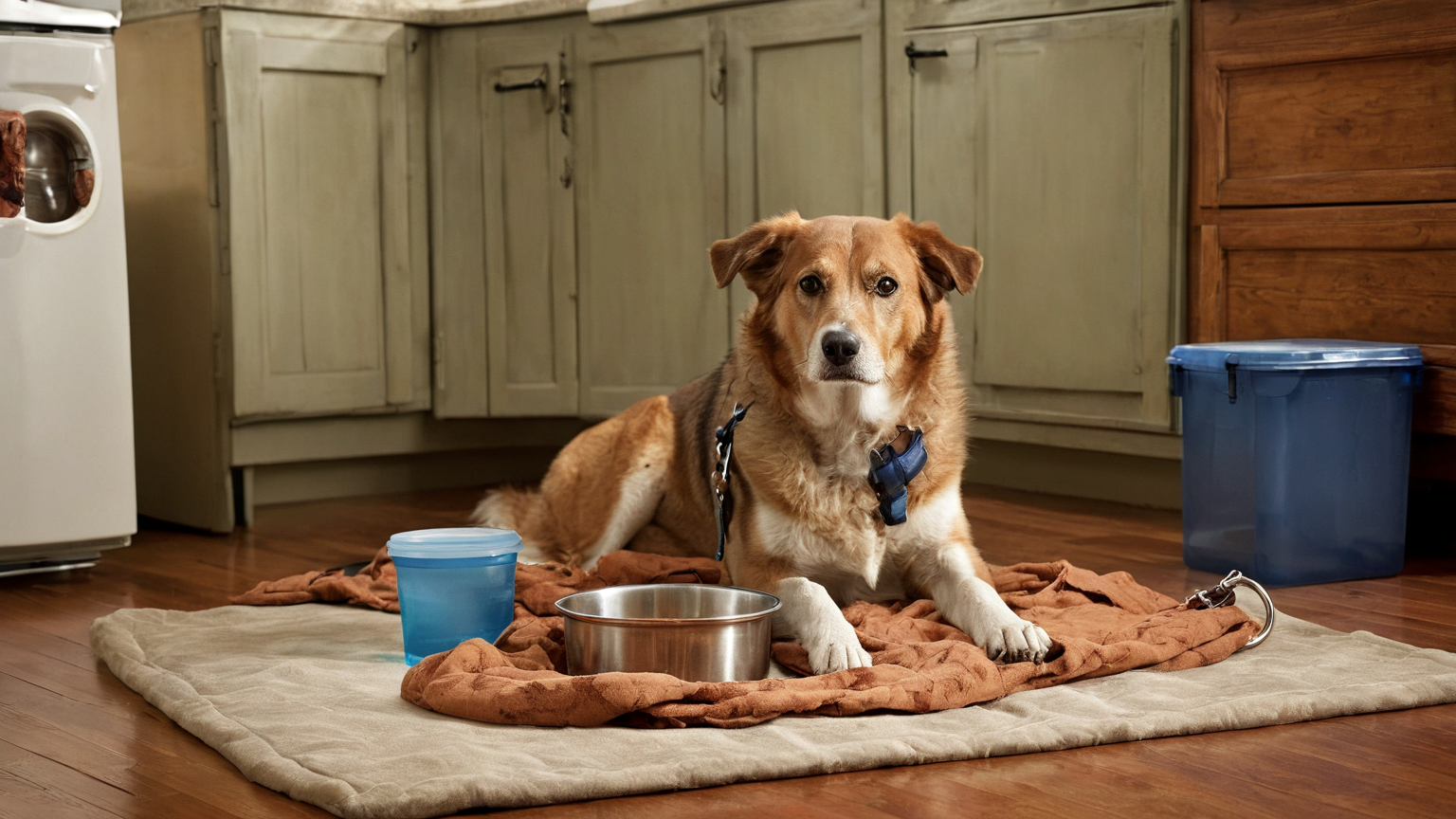
A senior dog that depends on daily medication needs a refill plan before travel, storm season, boarding, or caregiver handoff. Count actual doses on hand, note refill lead time, and ask the clinic how early they can approve refills. Do not assume a destination pharmacy, emergency clinic, or online service can replace a missing prescription during a trip.
Keep the travel-medication note practical: drug name as prescribed, refill date, veterinarian contact, pharmacy contact, storage need, and when to call the clinic. Do not publish prescription labels, microchip numbers, addresses, or medical records.
2. Ask the clinic what must travel with the dog
Request a current medication list, dose schedule, diagnosis summary when appropriate, vaccination record, microchip number, emergency contact, and any travel certificates required for the destination. Keep private details protected, but make sure a caregiver can show a veterinarian what the dog takes and when.
Keep the travel-medication note practical: drug name as prescribed, refill date, veterinarian contact, pharmacy contact, storage need, and when to call the clinic. Do not publish prescription labels, microchip numbers, addresses, or medical records.
3. Pack medication so it can still be used safely
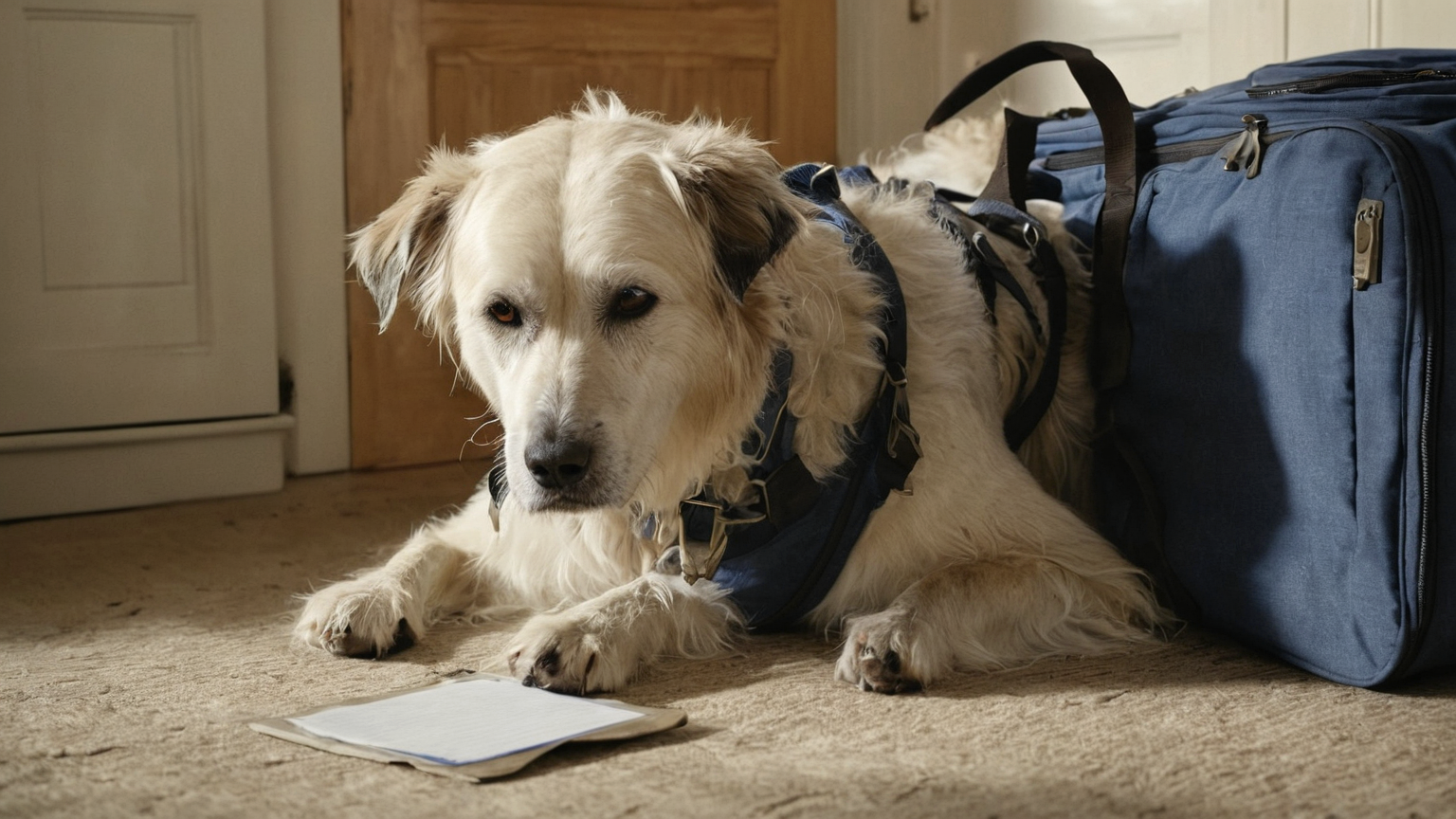
Use original or clinic-approved containers when possible, protect medicine from heat, moisture, crushing, and accidental access, and ask the veterinarian or pharmacist about temperature requirements. Do not split pills, change dose timing, or combine products in a new container unless the clinic says it is safe.
Keep the travel-medication note practical: drug name as prescribed, refill date, veterinarian contact, pharmacy contact, storage need, and when to call the clinic. Do not publish prescription labels, microchip numbers, addresses, or medical records.
4. Separate routine comfort from emergency action
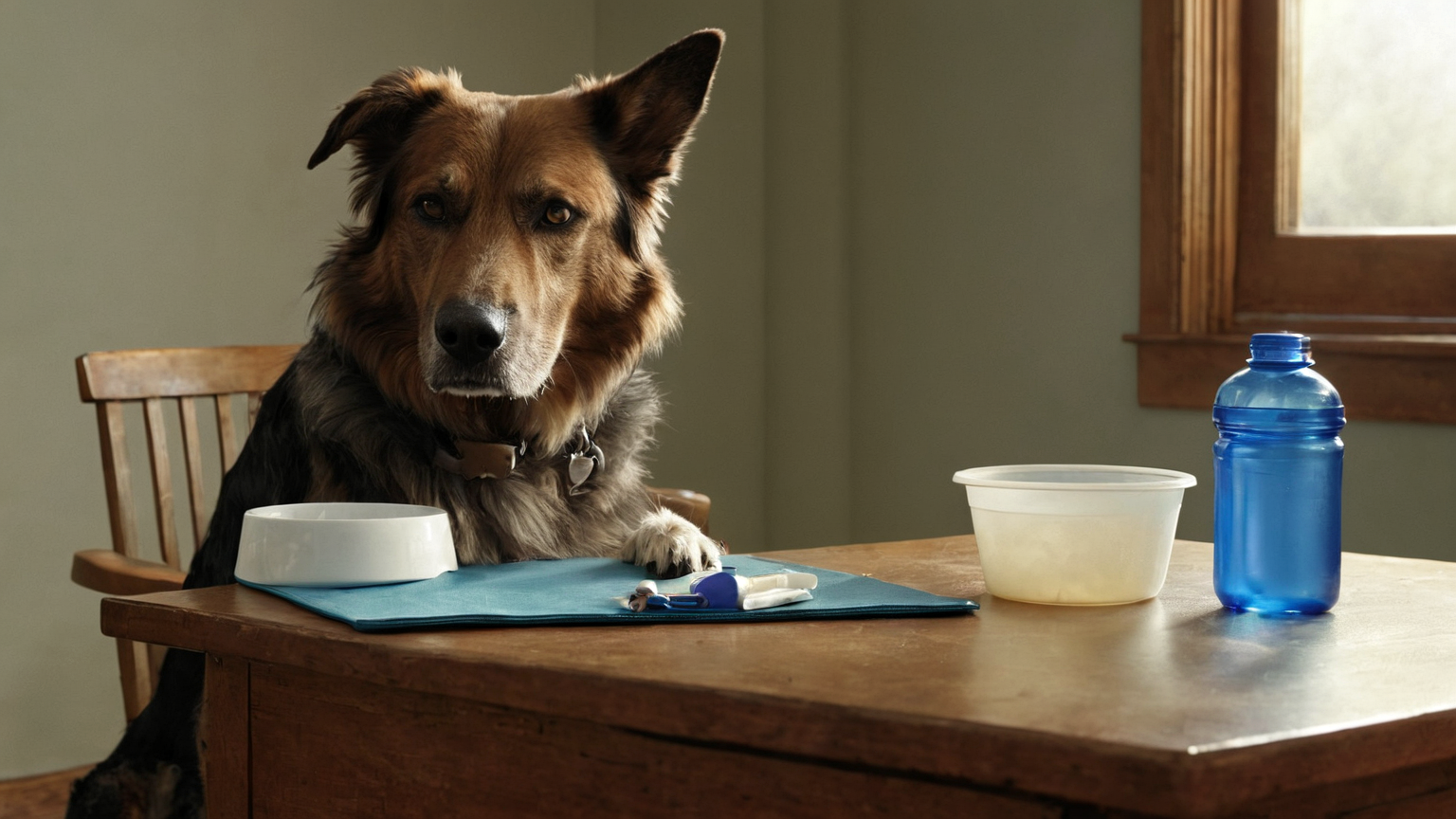
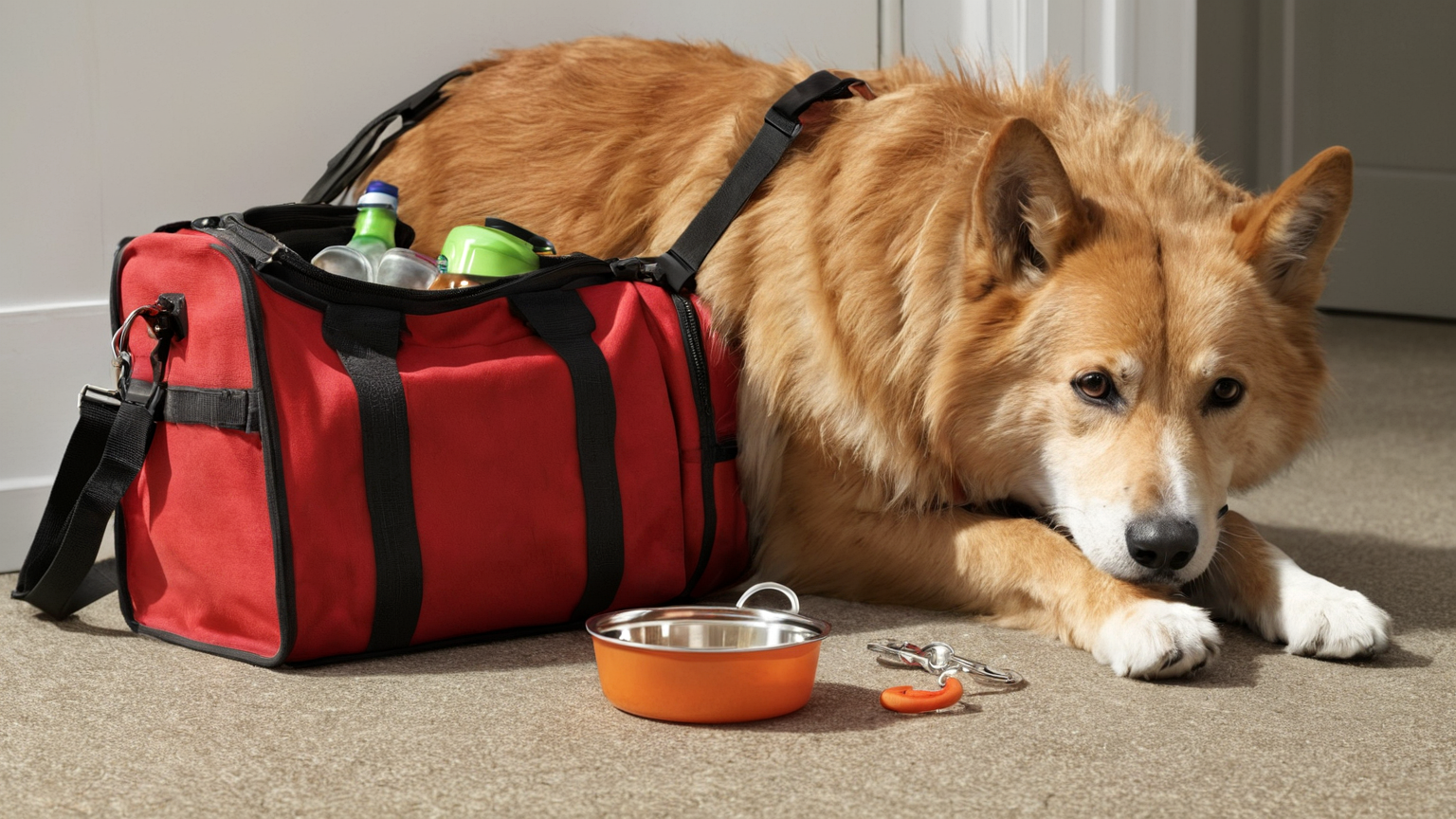
A travel kit should include leash, harness, food transition notes, water, bowls, cleanup bags, towel, medication instructions, and clinic contacts. Emergency action is different: breathing trouble, collapse, repeated vomiting, seizure, suspected overdose, or severe pain should trigger veterinary or emergency-clinic contact rather than home troubleshooting.
Keep the travel-medication note practical: drug name as prescribed, refill date, veterinarian contact, pharmacy contact, storage need, and when to call the clinic. Do not publish prescription labels, microchip numbers, addresses, or medical records.
5. Hand off the plan without exposing private data
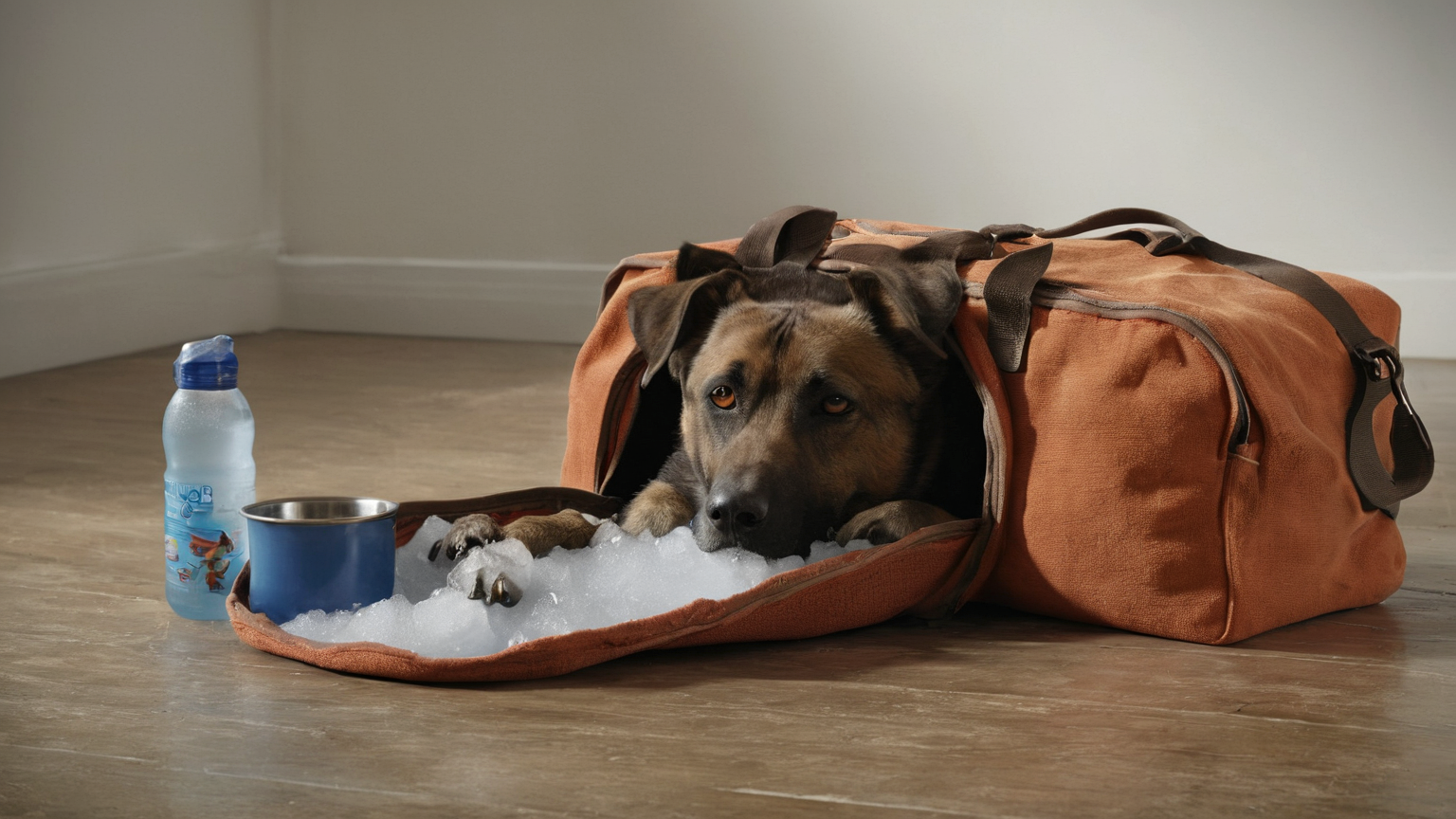
If a sitter or family member helps, give the smallest useful set of information: dog name, weight if relevant, medication schedule, allergies, vet contact, emergency permission boundaries, and where records are stored. Do not put payment cards, account passwords, or unnecessary owner medical details in the kit.
Keep the travel-medication note practical: drug name as prescribed, refill date, veterinarian contact, pharmacy contact, storage need, and when to call the clinic. Do not publish prescription labels, microchip numbers, addresses, or medical records.
One-page checklist
- Confirm the current official or expert source before acting.
- Write the owner, deadline, and next review date.
- Keep private identifiers, passwords, serial numbers, payment data, medical details, and sensitive screenshots out of shared notes.
- Use a temporary workaround only if it does not create a larger safety or money risk.
- Escalate to the relevant professional when symptoms, account compromise, safety hazards, legal questions, or large financial commitments are involved.
Common mistakes to avoid
| Mistake | Why it weakens the plan | Better habit |
|---|---|---|
| Treating a checklist as a diagnosis or guarantee | The facts may be incomplete or current rules may differ. | Use the checklist to prepare for expert advice. |
| Saving everything in a public note or chat | Private details can leak or be reused. | Store sensitive records in approved private storage. |
| Waiting for the perfect tool | The immediate risk may need a simple first step. | Start with source verification, owner, and deadline. |
| Optimizing for cost or convenience only | Hidden safety, privacy, or follow-up costs can exceed the savings. | Compare total risk, not just the first price or fastest option. |
FAQ
Does this replace professional advice?
No. It is a pet-care planning guide. Use your veterinarian, emergency clinic, pharmacy, airline/travel carrier, and official import or disaster guidance when medication, travel, or emergency decisions are high-stakes.
Why include records and privacy limits?
Good records help the next person act, but over-sharing creates new risk. The useful middle is a private, minimal note that documents the decision without exposing credentials, account data, payment details, medical details, private footage, or serial numbers.
How this supports AdSense readiness
The article is source-backed, practical, non-affiliate, policy-safe, and reader-first. It adds original decision structure, tables, checklists, escalation cues, and privacy boundaries instead of thin filler.